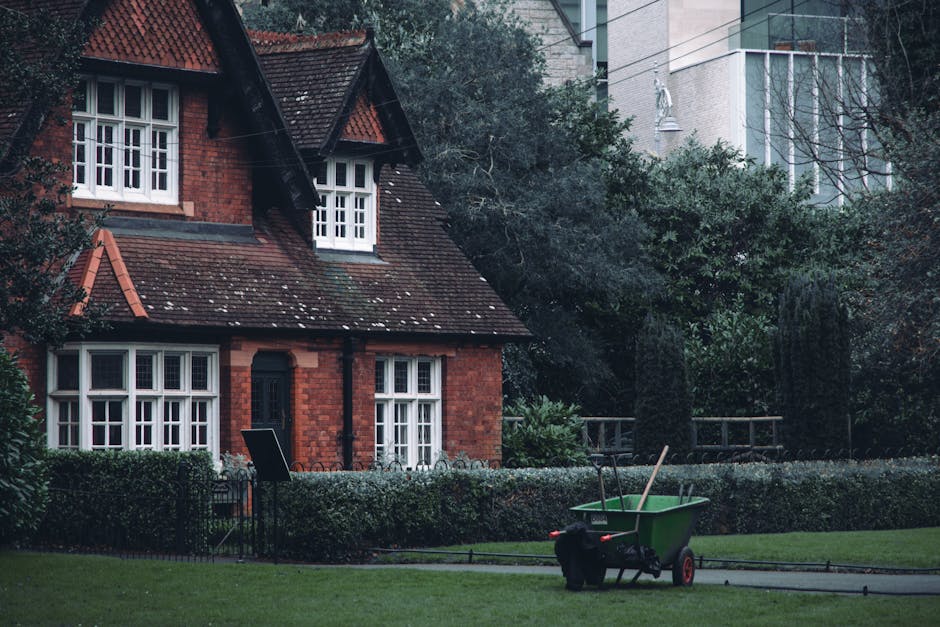
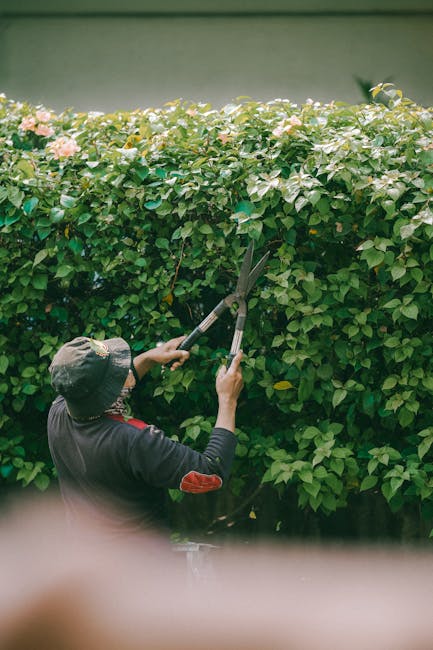
Totteridge Village guide to hiring local gardeners
If you live in Totteridge Village, you already know the garden can be a joy and, at times, a bit of a chore. One week the borders look tidy and full of life; the next, the hedge has surged, the lawn wants attention, and that awkward shady corner is doing something mildly dramatic. This Totteridge Village guide to hiring local gardeners is here to make the decision easier, calmer, and more practical. It explains what to look for, how to compare gardeners, what good service should feel like, and how to avoid paying twice for the same job.
Whether you need regular maintenance, a one-off clearance, hedge work, or a bigger refresh, hiring locally can save time and reduce stress. But the best choice is not always the cheapest one. To be fair, the cheapest quote often looks lovely right up until the gaps appear in communication, safety, or finish. So let's unpack the process properly.
Table of Contents
- Why Totteridge Village guide to hiring local gardeners matters
- How the hiring process works
- Key benefits and practical advantages
- Who this is for and when it makes sense
- Step-by-step guidance
- Expert tips for better results
- Common mistakes to avoid
- Tools, resources and recommendations
- Law, compliance, standards and best practice
- Options, methods and comparison table
- Case study or real-world example
- Practical checklist
- Conclusion
- Frequently asked questions
Why Totteridge Village guide to hiring local gardeners matters
Totteridge Village gardens tend to have a bit of character. Mature planting, boundary hedges, uneven plots, old paving, shaded areas, and established lawns are all common enough. That is exactly why a local gardener can be such a good fit. A gardener who works in the area regularly is more likely to understand the pace of local growth, the seasonal pressures, and the sort of garden issues that keep coming back year after year.
Local knowledge is not just a nice extra. It shapes the advice you receive. For example, a hedge that needs trimming in one part of the year can grow very differently in a sheltered garden than in an exposed one. A lawn on a damp patch near mature trees may need a more careful approach than a simple weekly mow. Even the choice of plants and maintenance routines can differ depending on light, wind, and soil conditions.
Hiring well also matters because garden work often mixes aesthetics with safety. A tidy border is lovely. A safe boundary, sound decking, and responsibly managed trees are even more important. That is why many homeowners prefer a gardener who can also coordinate with related work such as garden maintenance, hedge trimming, or lawn care when needed.
Expert summary: In Totteridge Village, the best gardener is not simply the one with a mower and a van. It is the one who understands your garden's rhythm, keeps communication clear, and can handle both routine care and the odd surprise without turning it into a drama.
If you are just starting out, some useful background reading can help you shape your brief. The article on starting your gardening adventure is a good primer, while cost-efficient ideas for a hassle-free garden can help you decide what matters most.
How Totteridge Village guide to hiring local gardeners works
The hiring process is usually straightforward, but the details matter. In practice, it starts with your garden's current condition and your end goal. Do you want weekly upkeep, a seasonal tidy, a complete overhaul, or support with one stubborn issue like ivy, weeds, or an overgrown hedge? Once you know that, you can ask more accurate questions and compare quotes properly.
A good local gardener will usually want to know a few basics before they quote:
- approximate garden size
- the type of work needed
- how often you want visits
- access details, parking, and waste removal expectations
- whether there are pets, children, or fragile plants to consider
This is where local service becomes valuable. A gardener who has worked on similar properties nearby can often estimate the time needed more accurately. That means fewer surprises later. Not always, but usually.
Hiring also tends to work best when you break the project into categories. Routine care is different from one-off landscaping. Soft pruning is different from tree-related work. Patio cleaning is different from edging and planting. The clearer you are at the start, the better the result tends to be. If the garden needs a wider refresh, you may also want to review general gardening services, landscaping support, or even fencing if the boundary is part of the problem.
For some homeowners, it is a seasonal arrangement. Spring and early summer usually bring the heaviest growth. Autumn often brings leaf clearance and prep for colder weather. If your garden gets hammered by wind or frost, it helps to plan ahead using ideas from practical tips to defend your garden from weather havoc and ways to shield your plants from winter's harshness.
Key benefits and practical advantages
There are several good reasons people in Totteridge Village choose local gardeners rather than trying to manage everything themselves.
1. Faster response and easier scheduling
Local gardeners can usually visit more quickly, especially for repeat work. That is handy when the hedge has suddenly become a bit too confident or the lawn has gone from tidy to scruffy in a week.
2. Better understanding of local conditions
Soil type, shade patterns, prevailing wind, and seasonal growth are all relevant. A gardener who works locally will often recognise recurring issues before they become expensive. For example, windy areas may need more structural planting or better shelter, something explored in enhancing garden vitality in windy areas.
3. More practical advice
Good gardeners do not just cut, mow, and leave. They should be able to tell you what needs attention now, what can wait, and what will save you money if you tackle it early. That practical judgement is half the value.
4. Easier communication
When your gardener is nearby, arranging site visits, follow-up work, or a quick check on a job is much simpler. And let's face it, garden work often needs a small tweak after the first visit. That is normal.
5. A more joined-up result
Instead of one-off fixes that do not quite fit together, local gardeners can help you build a maintenance rhythm. Lawn care, hedge cutting, weeding, seasonal planting, and path or patio cleaning can all be planned as part of one sensible routine. For hard surfaces, patio cleaning can make a surprisingly big difference to the whole look of the space.
For a more nature-friendly approach, the article on gardening to support nature is worth a read. And if you want a lower-effort layout, ground cover plants can reduce weeding and visual clutter at the same time.
Who this is for and when it makes sense
Hiring a local gardener makes sense for more people than you might think. It is not only for large gardens or busy households. In fact, some of the people who benefit most are those with modest gardens but limited time, confidence, or mobility.
You may need help if:
- the garden has become overgrown after a busy season
- you want regular maintenance without doing it all yourself
- you are preparing to sell or let a property and need the outside to look cared for
- the garden includes hedges, climbing plants, or awkward corners that keep getting out of hand
- you want a safer garden for children or pets
- you simply do not want to spend every weekend wrestling with weeds
It also makes sense if you are making a garden feel more usable. Perhaps you want a quiet seating area, a better planting plan, or a small patch of order around a long-neglected space. There is a world of difference between a garden that is merely neat and one that genuinely works for daily life. That is where a careful gardener can help you reclaim the space, not just tidy it.
If your garden feels like it needs a restart, the article on reclaiming a neglected garden is a useful companion piece. For family spaces, creating a safe and inviting garden for children can help shape priorities before any work begins.
Step-by-step guidance
Here is a straightforward way to hire well without making the whole thing feel like a project in itself.
- Define what you actually need. Write down the jobs in plain language: mowing, hedge cutting, weeding, border tidy-up, planting, pruning, or a full refresh.
- Separate urgent work from nice-to-have work. A leaning hedge or a slippery patio needs attention before decorative upgrades.
- Look at the garden in real daylight. Early morning or late afternoon can reveal shade, damp, and patchy growth you may not notice at midday. Oddly enough, gardens always seem tidier when you are half convinced you have it under control.
- Ask for a clear description of the service. Make sure the quote explains what is included, what is excluded, and whether waste disposal is part of the job.
- Check whether the gardener is suited to the task. A regular maintenance gardener is not always the right fit for complex tree work, and vice versa.
- Compare more than one option. You are not only comparing price. You are comparing approach, clarity, reliability, and how well the gardener understands your garden.
- Ask about scheduling and frequency. Weekly, fortnightly, monthly, or seasonal? The right cadence can save money in the long run.
- Confirm payment terms before work starts. That avoids friction later, especially for larger jobs.
A useful rule of thumb: if you cannot tell what the gardener plans to do from the quote, ask again. Clear answers are usually a good sign. Vague ones are not.
If you are trying to decide between a few service types, the individual pages for lawn mowing, hedge trimming, and tree surgery can help you understand where specialist help is sensible.
Expert tips for better results
Most disappointing garden jobs do not go wrong because the gardener is useless. They go wrong because the brief was fuzzy, the priorities were unclear, or nobody checked the small but important details. A bit boring, but true.
Be specific about your end result
"Tidy the garden" means different things to different people. Say whether you want a show-garden look, a low-maintenance finish, or simply a clean and safe space.
Use photos before the first visit
Pictures of problem areas help the gardener understand the scope faster. They are especially useful for ivy, uneven borders, overgrown hedging, or damaged edges.
Think seasonally
Some work is better done at certain times of year. Planting, pruning, lawn treatment, and sheltering vulnerable plants all follow seasonal logic. For instance, if frost is due, you may need to prioritise protective steps before the weather turns. There is a good practical overview in protecting plants from winter weather.
Ask how the gardener handles waste
Cuttings, branches, and bagged waste can pile up quickly. It is better to ask in advance than to discover three green sacks by the side gate and wonder who is taking them away.
Match the gardener to the complexity of the job
For recurring care, a maintenance-focused gardener is usually ideal. For neglected spaces, you may need more of a reset. For larger design changes, landscaping knowledge matters too. For hardscape jobs, support with decking services or fencing may be part of the plan.
Keep a simple record
Even a quick note on what was done last visit helps. You do not need a spreadsheet worthy of a finance department. Just a short log is enough, and it makes future visits much smoother.
Common mistakes to avoid
People usually make the same few mistakes when hiring gardeners locally. The good news? They are all avoidable.
- Choosing on price alone. A bargain quote may not include waste removal, proper finish, or follow-up.
- Not defining the scope. If the brief is vague, the result usually is too.
- Assuming every gardener does everything. Some specialise in maintenance, others in design, pruning, or tree work.
- Ignoring access issues. Narrow side paths, locked gates, or no parking can affect timings and cost.
- Leaving broken tools or hazards in the work area. It sounds obvious, but it happens more than you'd think.
- Skipping trust checks. A professional approach to communication, safety, and payments matters.
Another easy mistake is waiting until the garden is completely overwhelmed. A little timely intervention is usually cheaper than a full rescue. If weeds are the main issue, a focused approach informed by weed-free garden tips can prevent bigger problems later.
And if ivy is creeping into places it really should not be, do not put it off for six months. That usually ends with more work, not less. The guide on removing ivy properly is a sensible reference point.
Tools, resources and recommendations
You do not need a shed full of specialist gear to manage the hiring process well, but a few simple tools and references help. A notepad, phone camera, and a short checklist are often enough. If you are doing your own preliminary planning, it also helps to understand what a dedicated gardener usually works with. The article on tools every dedicated gardener needs gives a useful sense of the basics.
For more thoughtful garden planning, these resources on the same site are especially relevant:
- container gardening practices for courtyards and compact spaces
- evergreen climbers for shade where light is limited
- ground cover planting ideas for lower-maintenance borders
- zen-inspired garden ideas if you want a calmer, more balanced layout
- pet-friendly garden planning where animals are part of the picture
For service planning, these pages can be useful when you want a clearer picture of what is available and how it fits together:
If you like doing a bit of homework first, the about page can help you understand the team's background and how they position their work. That sort of context can be reassuring before you make contact.
Law, compliance, standards and best practice
Garden work is not always high-risk, but it does touch on safety, responsibility, and professional conduct. A good gardener should work with sensible precautions, especially where ladders, cutting tools, heavy waste, slippery patios, or tree work are involved. You do not need a lecture on every rule, but you do want to know that things are being handled carefully.
At a practical level, best practice usually includes:
- clear communication about the scope of work
- safe use of tools and equipment
- appropriate handling of waste and debris
- respect for property, plants, and boundaries
- transparent terms around payment and service expectations
For jobs that carry more risk, such as tree work or more complex site conditions, ask how safety is managed before the work starts. The pages on insurance and safety and health and safety policy are relevant here. So is payment and security if you want clarity around how transactions are handled.
You should also know how complaints are dealt with if something goes wrong. That is just part of a professional relationship, same as clear terms and decent communication. The pages on terms and conditions and complaints procedure are useful trust signals when you are comparing providers.
For wider business responsibility, pages such as privacy policy, cookie policy, accessibility statement, and modern slavery statement help show the sort of standards a reputable business should be willing to set out plainly.
Options, methods and comparison table
Not every garden needs the same type of help. Here is a simple comparison to make the choices less fuzzy.
| Option | Best for | Strengths | Trade-offs |
|---|---|---|---|
| Regular garden maintenance | Homes that need ongoing care | Keeps the space under control, predictable routine, easier to budget | Less suitable for major redesigns or severe neglect |
| One-off tidy-up | Overgrown or neglected gardens | Fast visual improvement, clears the backlog | Can feel temporary if no follow-up plan is put in place |
| Specialist task work | Hedges, lawns, trees, patios, fencing | More focused knowledge, usually better results on the specific task | May need several providers or a broader brief |
| Full garden transformation | Major changes in layout or style | Can improve function, appearance, and maintenance efficiency | Higher cost, more planning, longer timeline |
The right choice depends on what problem you are trying to solve. If the front garden just needs neatness and resilience, maintenance may be enough. If the back garden has a tired layout, patchy lawn, and poor privacy, you may need a mix of hedge work, planting, and structural changes. For privacy ideas, the article on fast-growing privacy hedges is a handy starting point.
Case study or real-world example
Imagine a Totteridge Village homeowner with a medium-sized rear garden. It has a lawn that has thinned out near the back fence, a hedge that keeps encroaching, a shady border that never seems to thrive, and a patio that looks dull after winter. Nothing is ruined, but nothing feels quite finished either.
They decide to hire locally rather than piecing the work together alone. The gardener visits, walks the garden slowly, and notices three things straight away: the hedge needs a consistent cutting pattern, the lawn is being shaded by a mature tree, and the border would benefit from tougher planting and better soil improvement. That last part is often missed by people who only see the surface.
Instead of doing everything at once, the work is split into sensible stages:
- first visit: hedge trimming, weed clearance, and patio cleaning
- second visit: lawn care and edge repair
- third visit: border improvement and planting choices for the shaded area
The result is not a magical overnight transformation. It is better than that. It is a garden that starts making sense again. The homeowner knows what was done, what comes next, and what can wait. That kind of clarity is often the real win. You sleep easier, oddly enough, when the garden is no longer shouting at you from the window.
If the same garden later needs stronger structure, the owner can add fencing support or a small-scale landscape plan. If the lawn remains the weakest point, a deeper look at lawn care may make more sense than repeated mowing alone.
Practical checklist
Use this checklist before you book. It keeps things simple.
- Have I listed the exact jobs I need done?
- Do I know whether I need routine care or a one-off clearance?
- Have I checked the garden in daylight so I can see the real condition?
- Do I understand whether waste removal is included?
- Have I asked about frequency, timing, and access?
- Have I compared more than one option?
- Do I know which tasks need specialist help?
- Have I looked at safety, payment, and complaints information?
- Have I thought about seasonality and follow-up work?
- Do I feel comfortable with the communication so far?
That last one matters more than people admit. If the conversation feels easy and the answers are plain English, that is usually a good sign. You do not need perfection. You need clarity, care, and a decent plan.
Conclusion
Hiring local gardeners in Totteridge Village should feel like a practical upgrade, not a leap of faith. When you define the job clearly, compare services carefully, and look beyond the headline price, the whole process becomes much easier. The garden benefits, certainly. But so do you, because the space starts working for your life instead of competing with it.
In truth, the best garden help is often the kind that disappears into the background once the job is done. The hedge is neater, the lawn behaves itself, the borders look alive, and the patio no longer makes you sigh every time you step outside. That is the goal. Quietly better. Steadier. More enjoyable.
Get a free quote today and see how much you can save.
If you are ready to move forward, start with your priorities, ask the sensible questions, and choose the gardener who gives you confidence as well as a good result. A well-kept garden has a way of changing the whole feel of a home, especially on a calm Totteridge evening when everything just looks right.
Frequently Asked Questions
How do I know if I need a local gardener or a landscaper?
If you mainly need ongoing care, tidying, pruning, mowing, or planting support, a gardener is usually the right fit. If you want to change the layout, install new structures, or redesign the garden, landscaping is more appropriate. Sometimes the best answer is a mix of both.
What should I ask before hiring a gardener in Totteridge Village?
Ask what the quote includes, how often they recommend visits, whether waste removal is part of the price, and whether they have experience with your kind of garden. It is also sensible to ask about safety, payment terms, and how they handle changes to the job.
How often should a garden be maintained?
That depends on size, planting, and how neat you want it to look. Many gardens benefit from weekly or fortnightly care in the growing season, then less frequent visits in winter. A local gardener can help you set a rhythm that matches the space.
Is it cheaper to book regular visits instead of one-off jobs?
Often, yes. Regular maintenance can prevent bigger problems from building up. A neglected hedge, lawn, or border usually costs more to restore than to keep under control in the first place.
Do gardeners remove green waste?
Some do, some do not, and some include it only for certain jobs. Always check. It is one of those small details that can change the practical value of a quote quite a lot.
Can a gardener help with an overgrown hedge or ivy?
Yes, many can, though larger or more complex cases may need a specialist approach. Hedge work and ivy removal can be more involved than they look, especially if the plants have been left unchecked for a while.
What is the difference between lawn mowing and lawn care?
Lawn mowing is the cut itself. Lawn care is broader and may include feeding, aeration, scarification, edging, and advice on improving patchy areas. If your lawn is tired, lawn care is usually the better choice.
How can I compare gardeners fairly?
Compare the scope of work, the clarity of the quote, their experience with similar gardens, and how easy they are to communicate with. Price matters, of course, but it should not be the only thing you look at.
What if my garden has pets or children?
Tell the gardener upfront. They can adjust tools, timing, and materials to reduce risk. If you want ideas for safer family use, the guide on child-friendly gardens is a helpful companion.
Should I hire someone for a one-off tidy-up first?
That can be a very smart move if the garden is overdue for attention. A one-off tidy gives you a fresh baseline, then you can decide whether to move to regular maintenance afterwards.
How do I know if the gardener is professional and trustworthy?
Look for clear communication, a sensible quote, proper policies, and a willingness to explain the work without jargon. Trust usually shows up in the small things first, not the flashy ones.
When is the best time of year to hire a gardener?
It depends on the task. Spring and early summer are busy growth periods, autumn is useful for clearing and preparation, and winter can be ideal for planning, pruning certain plants, and getting ahead before growth returns. Local conditions matter, so timing is best judged garden by garden.
What if I am not sure what my garden needs?
That is completely normal. A good gardener can assess the space, point out priorities, and help you build a realistic plan. You do not need to know everything before you make the first enquiry. Just be honest about what feels wrong and what you want to improve.