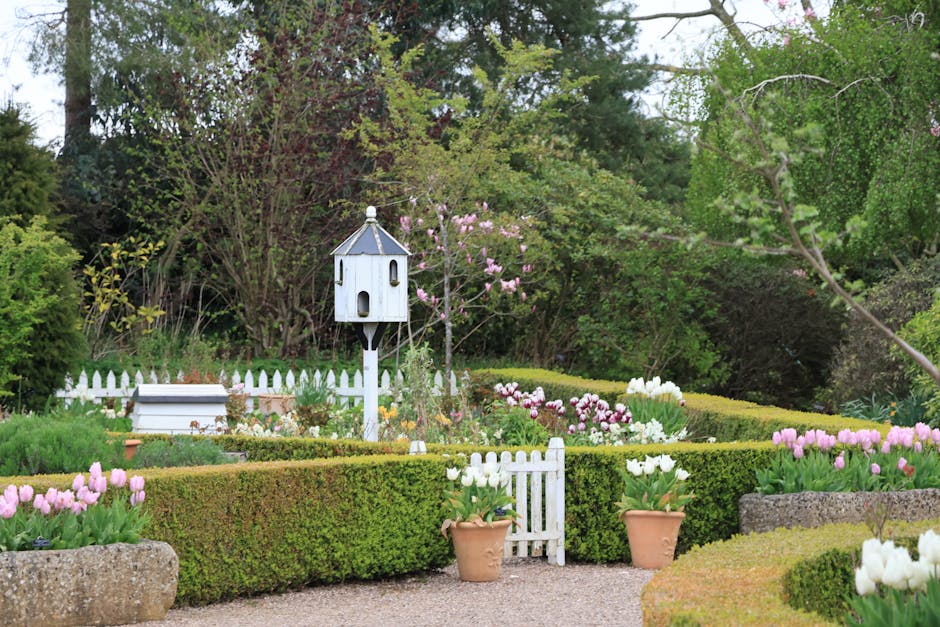
N20 gardeners who know Totteridge Lane gardens: local expertise for better outdoor spaces
If you live near Totteridge Lane, you already know the garden can be the best part of the property and, honestly, sometimes the most demanding. Mature hedging, awkward borders, shaded corners, exposed sections that catch the wind, and lawns that look brilliant one week then sulk the next - it all adds up. That is where N20 gardeners who know Totteridge Lane gardens really earn their keep. Local knowledge matters. A lot. It shapes the plants that thrive, the maintenance that actually sticks, and the small decisions that stop a garden from becoming a constant weekend project.
This guide breaks down what that local expertise means in practice, how experienced gardeners approach Totteridge Lane gardens, and what you should expect if you want a calm, attractive, manageable outdoor space. We will also look at common mistakes, useful service options, and a few realistic examples from day-to-day garden work in North London. No fluff. Just the stuff that helps you make better decisions.
Why N20 gardeners who know Totteridge Lane gardens matters
Totteridge Lane gardens are not one-size-fits-all spaces. They can range from formal front gardens to generous family back gardens, from sheltered courtyards to more open plots that feel every gust of weather. A gardener who knows the N20 area tends to spot details quickly: which corners stay damp, where the light falls in winter, which hedges will quietly dominate a border if left unchecked, and which materials suit the property without looking overworked.
That local awareness saves time and money. It also helps avoid the sort of changes that seem sensible on paper but look wrong once planted. Let's face it, a beautiful garden is rarely created by guesswork. It is built on observation, timing, and a steady hand.
For Totteridge Lane properties in particular, local gardeners often need to balance privacy, kerb appeal, and ongoing maintenance. A hedge can be a brilliant solution, but only if it is trimmed with purpose. A lawn can be a lovely open feature, but only if it is cared for through the seasons. A planting plan can look effortless, but the best versions usually involve a lot of quiet, practical thinking underneath.
If your garden has become harder to manage, it may be worth looking at broader support such as garden maintenance, hedge trimming, or even a fuller gardening services plan, depending on how much help you need.
How N20 gardeners who know Totteridge Lane gardens works
In practice, local gardening starts with a proper look at the space. Not a quick glance. A proper look. Experienced gardeners tend to begin with light, soil, access, drainage, privacy, and seasonal pressure. On a Totteridge Lane property, that might mean checking whether a border gets morning sun only, whether the soil dries out fast near a boundary wall, or whether a hedge is creating shade for the lawn beneath it.
From there, the job usually becomes a sequence of sensible decisions rather than one big dramatic change. Trim what is overgrown. Rescue what is healthy. Remove what is failing. Improve the soil where plants are struggling. Introduce structure where the garden feels messy. It sounds simple, and in a way it is - but only if you know what to prioritise.
Some gardens only need routine upkeep. Others need a more technical approach, particularly if there are trees crowding the space, climbing plants taking over, or fencing that has started to break the visual line of the garden. That is where related work such as tree surgery or fencing can matter just as much as planting.
A good local gardener also understands pacing. The best results often come from tackling the most urgent issues first, then layering in the nicer refinements later. A garden does not need to be perfect on day one. It needs to start moving in the right direction.
Key benefits and practical advantages
There are clear reasons homeowners keep returning to local gardeners who understand Totteridge Lane gardens. Some are obvious. Some are a bit more subtle, but just as valuable.
- Better plant choices: Local conditions influence what survives, what thrives, and what just sits there looking expensive.
- Smarter maintenance: A gardener who knows the area can time work more sensibly around seasonal growth and weather patterns.
- Stronger privacy planning: Boundary planting and hedge decisions can be made with actual height, density, and long-term shape in mind.
- Cleaner, calmer presentation: Regular tidying, edging, pruning, and lawn care can change the feel of a property very quickly.
- Less wasted effort: You avoid buying the wrong plants, overwatering the wrong spots, or cutting back something at the wrong time.
There is also a simple emotional benefit. A garden you can trust is a relief. You stop worrying about what is becoming overgrown, whether the lawn is beyond saving, or whether the hedges are turning into a neighbourhood argument waiting to happen. That peace of mind is worth a lot more than people admit.
For some households, the advantage is mostly convenience. For others, it is presentation before a sale or a special family event. For many, it is just wanting to enjoy the outdoors again without thinking, "I really must sort that out this weekend."
Who this is for and when it makes sense
This kind of local gardening support is useful for quite a wide range of people, not just the keenest plant lovers. In fact, some of the best clients are the ones who like the garden but do not want it to take over their lives.
It makes sense if you are:
- a homeowner wanting dependable upkeep rather than a one-off tidy-up;
- a busy family needing safer, neater outdoor space for children;
- a landlord or property manager keeping shared or private grounds presentable;
- someone preparing a property for sale or rent;
- a gardener who enjoys the space but needs help with the heavier work;
- someone dealing with shade, wind, ivy, poor soil, or a tired-looking lawn.
It also makes sense after a difficult season. A wet winter, a windy spell, a few weeks away, or a period when the garden simply could not be prioritised can leave things looking a bit sorry for themselves. That is normal. Garden recovery is a real thing, and it is often easier than people expect once the right plan is in place.
If you are starting from scratch, a gentle set of foundations can help. The article on starting your gardening adventure is a good reminder that progress often begins with simple structure, not a shopping trolley full of plants.
Step-by-step guidance
Here is the practical route most experienced N20 gardeners follow when working on Totteridge Lane gardens. Not every job needs every step, of course, but this is a sensible order.
- Assess the garden honestly. Look at what is healthy, what is overgrown, and what is actually worth keeping. A surprising amount of work can be saved by making calm decisions at this stage.
- Prioritise safety and access. Clear trip hazards, unstable branches, broken edging, and blocked paths before anything decorative. It is boring, yes, but it matters.
- Deal with the obvious problem areas. That might mean a hedge that has got away, ivy that is creeping where it should not, or a lawn that needs serious recovery.
- Improve the soil and planting base. If the ground is tired, compacted, or thin, plants will keep underperforming. Better soil often solves more than people realise.
- Rebuild structure. This is where borders, screening, shrubs, climbers, and lawn edges are arranged so the garden feels intentional again.
- Set a maintenance rhythm. A good garden is not a one-time fix. It needs repeat care, with seasonal tasks scheduled before problems return.
One small but useful clarification: not every garden needs a full redesign. Sometimes all it takes is disciplined cutting, selective replanting, and better boundaries. You would be surprised how far that goes. Really.
Where lawns need special attention, a dedicated lawn care routine or even periodic lawn mowing can restore balance without turning the whole garden upside down.
Expert tips for better results
Here are the kinds of details that make a noticeable difference. Not glossy magazine advice. Actual on-the-ground thinking.
- Work with the site, not against it. If a border is shaded, stop trying to force sun-loving plants into it. Choose for the conditions you have.
- Respect mature growth. Many hedges and shrubs need shaping, not hacking. The difference shows a year later, sometimes sooner.
- Think in layers. Structure, screening, texture, flowers, ground cover, and seasonal interest should work together. One flat layer looks thin.
- Use ground cover where appropriate. Bare soil is rarely your friend. It invites weeds and makes the garden look unfinished. The guide to ground cover plants is a useful prompt if you are trying to reduce maintenance.
- Protect privacy without boxing the garden in. Good screening should feel soft and natural, not like a wall. The right hedge can do both.
- Keep an eye on seasonal wear. Wind, frost, and heavy rain all hit gardens differently. A plan that works in June may need adjustment by January.
A practical tip from experience: if something looks "almost fine," that is often the exact moment to act. Wait too long and you end up paying for recovery instead of maintenance. And recovery always takes longer.
For properties that need screening, this article on fast-growing privacy hedges is worth a look, especially if neighbours sit a bit closer than you would like.
Common mistakes to avoid
Most garden problems in this kind of setting are not dramatic. They are cumulative. Little mistakes, repeated, until the garden looks tired or starts becoming difficult to manage.
- Cutting too hard, too late. Heavy pruning at the wrong time can spoil shape, stress the plant, or leave bare patches that take ages to recover.
- Ignoring the lawn beneath shade. A lawn under dense trees or overgrown hedges is not automatically "bad" - it may simply be in the wrong conditions.
- Planting without long-term space in mind. Small shrubs can become large, and large shrubs can become a planning issue very quickly.
- Letting ivy run unchecked. It looks harmless until it starts slipping into joints, fences, walls, and unwanted corners. The piece on removing ivy properly is relevant here.
- Using too many competing focal points. A garden can become visually noisy if every section wants attention at once.
- Skipping regular upkeep because "it looks okay for now." The garden will usually collect that debt later. It always does, more or less.
Another common one? Buying plants because they looked lovely in a pot centre, then discovering they hate your soil, your wind exposure, or your light levels. It happens all the time. No shame, but it is avoidable.
Tools, resources and recommendations
Good results come from good judgement, but the right tools help a lot. A dedicated gardener does not need a warehouse of equipment, just the sensible essentials and a clear method.
The article on tools every dedicated gardener needs for success covers the kind of kit that makes routine work cleaner and safer. For this topic, the most useful items usually include:
- sharp hand pruners for tidy cuts;
- loppers for thicker stems;
- a proper spade and border fork;
- sturdy gloves;
- a rake and leaf collector;
- hedge trimmers for controlled shaping;
- a hose or watering can for targeted watering;
- a wheelbarrow or garden bag for waste removal.
On the resource side, useful planning often means comparing service pages rather than guessing at what you need. If the garden needs more than a tidy-up, look at landscaping for bigger visual changes, patio cleaning for hard-surface refreshes, or decking services if the outdoor space includes timber features that need attention.
Truth be told, a lot of homeowners do not need everything at once. They need the right starting point. That is a much better place to be.
Law, compliance, standards, or best practice
Garden work in the UK is not usually complicated from a legal point of view, but there are still sensible standards to follow. If you are hiring help around Totteridge Lane, you should expect a professional approach to safety, waste handling, and respect for boundaries and shared spaces.
Best practice generally includes:
- working carefully around trees, walls, fences, and neighbouring gardens;
- disposing of waste responsibly rather than leaving it piled up;
- using tools safely and storing them properly between visits;
- taking care with working at height, sharp equipment, and slippery surfaces;
- being clear about access, timing, and the scope of work.
If a job involves tree work or anything with increased risk, it is sensible to ask about processes, insurance, and practical safeguards. A company that takes insurance and safety seriously is usually one you can trust with more than just a pair of shears.
For wider working standards, it is also worth checking how a provider handles health and safety, payment and security, and terms and conditions. Not glamorous, I know, but these details are part of a well-run service.
Options, methods, or comparison table
Different gardens need different approaches. Here is a simple comparison to help you decide what kind of support fits the situation.
| Approach | Best for | Strengths | Limitations |
|---|---|---|---|
| Routine maintenance | Gardens that are already in decent shape | Keeps things tidy, manageable, and consistent | Does not solve deeper design or planting issues |
| Seasonal tidy-up | Gardens that need a reset after neglect or weather damage | Fast visible improvement, useful before events or property photos | May not prevent the same issues from returning |
| Hedge and boundary focus | Homes needing privacy, shape, or structure | Improves screening, edges, and visual order | Needs regular follow-up to stay balanced |
| Full redesign or landscaping | Spaces with repeated drainage, layout, or usability problems | Can transform how the garden functions | Takes more planning and usually more budget |
There is no "best" option in the abstract. The best option is the one that fits the actual condition of the garden. Simple as that, really.
Case study or real-world example
Here is a realistic example from the sort of work that often comes up around Totteridge Lane. A garden starts off pleasant enough: mature shrubs along the boundary, a lawn in the middle, and a few beds that once looked carefully planted. Over time, the hedge thickens, ivy creeps into a fence line, the lawn becomes patchy under shade, and the borders collect weeds because the soil is bare in places.
The first visit is not about perfection. It is about triage. The overgrowth is cut back carefully. The ivy is removed where it is damaging structure. The lawn is assessed honestly rather than treated as a lost cause. Some plants are kept, some are moved, and a few are replaced with ground cover and better-suited shrubs. A cleaner rhythm starts to emerge.
A month later, the space already feels different. Not finished. Better. The edges read properly. Light reaches more of the garden. The owners can see what they have instead of feeling overwhelmed by it. And that is often the turning point. Once a garden becomes readable again, it becomes enjoyable again.
If the space has been neglected for a while, the article on reclaiming a neglected garden is a useful companion piece. It sets the right mindset: steady progress beats heroic weekend chaos every time.
Practical checklist
Use this checklist if you are assessing whether your Totteridge Lane garden needs local help or a more structured plan.
- Is the hedge too tall, too wide, or blocking light?
- Are any borders bare, weedy, or hard to maintain?
- Does the lawn struggle with shade, moss, or patchiness?
- Is ivy, climber growth, or self-seeded growth spreading into unwanted areas?
- Do you need better privacy from neighbouring views?
- Are trees casting too much shade or creating leaf fall problems?
- Do hard surfaces need cleaning before the garden will feel finished?
- Would a maintenance plan be easier than constant one-off fixes?
- Do you want the garden to look better all year, not just after a tidy-up?
- Would a professional quote help you compare options clearly?
If you answered yes to more than a couple of those, there is probably value in speaking to a local specialist rather than trying to patch things piecemeal.
For a useful next step, see the pricing and quotes page and the company's about us information before you decide. That gives you a clearer picture of the service and how it is structured.
Get a free quote today and see how much you can save.
Conclusion
Totteridge Lane gardens deserve more than generic care. They need someone who can read the space properly, respect the character of the property, and make improvements that last beyond the next sunny weekend. That is the real value of N20 gardeners who know Totteridge Lane gardens: they bring judgment, timing, and local understanding together in a way that feels practical and calm.
Whether your priority is privacy, maintenance, rescue work, lawn recovery, or a more thoughtful redesign, the best results usually come from simple, steady decisions made by someone who knows what they are looking at. And once the garden starts working with you instead of against you, everything feels lighter. A bit more open. A bit more yours.
That is the goal, after all - a garden you can actually enjoy without wincing every time you look out the window.
Frequently Asked Questions
What do N20 gardeners who know Totteridge Lane gardens actually do differently?
They bring local judgement to the job. That means better plant choices, better timing, and a clearer sense of how North London gardens behave through the seasons. It is not magic, just experience applied properly.
Do I need regular garden maintenance or just a one-off tidy-up?
If the garden is mostly under control, a one-off tidy-up may be enough for now. If the same problems keep returning, regular garden maintenance is usually more cost-effective and far less stressful.
Can local gardeners help with overgrown hedges and boundaries?
Yes, and in many cases that is one of the most useful services. Overgrown hedges can affect light, privacy, and the overall feel of the garden. A structured trim makes a surprisingly big difference.
What if my lawn is patchy because of shade or weather?
That is very common. A gardener can look at whether the issue is mowing height, soil condition, shade, drainage, or all four. Sometimes lawn care is enough; sometimes a different planting strategy is smarter.
Is landscaping always necessary for a tired-looking garden?
No. Many tired gardens just need pruning, clearing, soil improvement, and a better maintenance rhythm. Landscaping is better when the layout or structure of the garden is the real problem.
How do I know if ivy is causing damage?
If ivy is climbing into joints, fences, walls, or thick structural features, it should be assessed carefully. Left alone, it can become a lot more than a cosmetic issue. That is when removal or control becomes sensible.
Are privacy hedges a good idea in Totteridge Lane gardens?
Often, yes. A well-chosen hedge can create screening, soften boundaries, and add character. The key is selecting something suited to the site and then maintaining it properly so it does not become unwieldy.
What should I ask before hiring a gardener?
Ask what is included, how waste is handled, whether they are insured, what their approach is to safety, and how they recommend prioritising the work. Clear answers usually tell you a lot.
How often should a garden like this be serviced?
It depends on growth rate, garden size, and how much you want to stay on top of it. Some gardens need monthly attention, while others are fine with seasonal visits and occasional extras.
Can gardeners help with hard surfaces like patios and decking too?
Yes. A garden often looks unfinished if the patio or deck is dull, slippery, or marked. Related services like patio cleaning and decking services can make the whole outdoor space feel much fresher.
Is it better to start with the front garden or back garden?
Usually the area causing the biggest visual or practical problem should go first. For some homes that is the front garden and kerb appeal. For others it is the back garden, where privacy and day-to-day use matter more.
How do I get the best value from a local garden quote?
Be clear about your priorities, show the areas that worry you most, and ask what can be done now versus later. A good quote should help you sequence the work, not just list tasks. If you want to speak directly with the team, use the main contact page.